

3D Wall Panels for TV Walls: Design Ideas and Lighting Tips
The choice of the perfect feature wall can be the difference between a successful and a bad the look of a living space. 3D wall panels have emerged as among the top well-known methods to improve the look of a TV wall. They add the appearance of depth, texture and a sculptural appearance that plain paint or wallboard simply cannot match. If paired with the proper illumination, they can transform an ordinary wall into the main visual feature in the living room. We will walk you through practical ideas for design and lighting methods to help you design the perfect TV wall that is sophisticated, elegant and constructed to last.
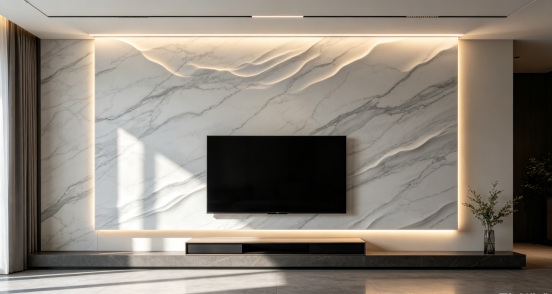
Why 3D Wall Panels Work So Well for TV Walls
The TV wall performs one task to draw attention without obstructing the room. 3D panels are able to do this naturally. The raised patterns of their panels catch light and cast shadows of subtle shades, giving a sense of depth that keeps the wall attractive even when the screen is off. This is distinct from the flat accent wall, which relies on wallpaper or color to keep your interest.
There are other benefits worth mentioning:
- Durability -The majority of panels (PU, MDF, PU bamboo fiber, and Gypsum composite) can withstand minor impacts and water more effectively than wallpaper, which is important in living spaces with the movement of feet and fluctuating humidity.e right wall panels for wet areas is a matter of evaluating the three points of performance and not only the surface.
- Cable and outlet concealment — panels can be installed with a shallow air gap behind them, making it easy to route HDMI, power, and speaker cables out of sight.
- Style flexibility — the same panel category can look modern, industrial, or warm and organic depending on material, color, and finish.
Design Ideas for 3D TV Wall Panels
Geometric and Wave Patterns
Repetition of geometric patterns and flowing waves work well in contemporary and minimal interiors. Since the pattern is soft and repetitive, it appears as elegant rather than cluttered which is ideal when the rest of the room is already adorned with strong furniture lines.
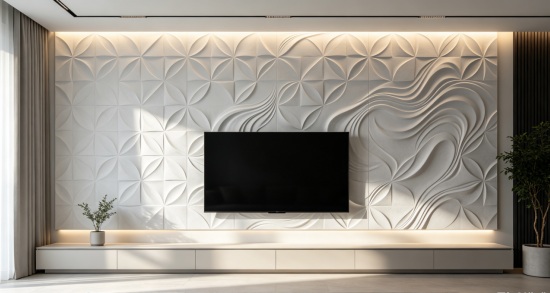
Brick and Stone-Effect Panels
For an industrial loft or rustic-modern look, textured panels that mimic exposed brick or natural stone add warmth without the weight, cost, or installation complexity of real masonry.
Large-Format Slab Panels
Large format wall panels can show fewer seams. That usually makes the wall look clean and a bit more polished. You will see this choice a lot in modern and Scandinavian inspired living rooms. Many people pick it when they want a smooth wall behind the TV, like a simple gallery backdrop.
Mixed Material Combinations
The combination of a wood-grain panel and thin black or metal trim lines can create a striking contrast that is free of clutter. This kind of layered design is popular for “light luxury” style interiors with a preference for restrained yet visually stunning detailing.
Panel and Console Integration
Extending the panel design down into a built-in TV console or floating shelf unifies the wall visually and adds storage — a practical upgrade over a standalone panel section.
Lighting Tips to Enhance 3D Wall Panel Texture
Lighting is what separates an average 3D panel wall from a striking one. Texture only becomes visible when light creates shadow, so how you light the wall matters as much as the panel design itself.
Why Lighting Matters for 3D Texture
Flat, direct front lighting flattens shadows and mutes the panel’s 3D effect. Angled or side lighting, by contrast, grazes across the raised surface and exaggerates the highs and lows of the pattern — this is the same principle architectural lighting designers use to highlight textured facades and interior feature walls.
LED Strip Backlighting
Installing an LED strip on the edges of the wall as well as behind the television produces an ethereal halo effect creating the illusion that the wall is seem to float. This is among the most popular lighting designs for media walls as it provides ambiance, without adding any harsh light to the space.
Recessed or Grazing Downlights
Ceiling-mounted downlights that have been angled to an interior wall (“wall-washing” (also known as “grazing”) emphasize texture significantly more effectively than centered straight-down lighting. This method is commonly used in hospitality and retail design specifically due to the fact that it makes surfaces that are textured appear more realistic.
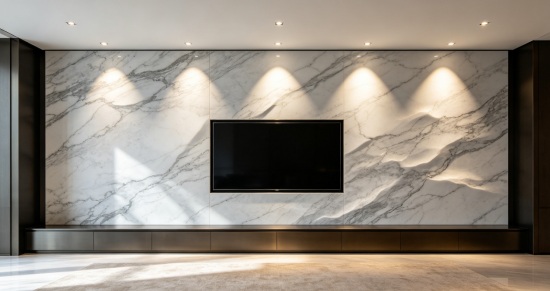
Color Temperature Considerations
- Warm white (2700K–3000K) suits wood-tone or stone-effect panels, reinforcing a cozy atmosphere.
- Neutral to cool white (4000K+) works better with geometric or metallic-finish panels for a sharper, contemporary feel.
Common Lighting Mistakes to Avoid
Don’t aim one strong light straight at the panel from the front. The surface ends up washed out, and you lose the texture. Also, try not to mix color temperatures between fixtures. When the tones do not match, the wall can look like it was not planned.
How to Choose the Right 3D Panel for Your TV Wall
Start with the room size when you choose the pattern scale. In smaller rooms, fine and gentle textures usually look better. On larger walls, you can use bigger and deeper relief patterns without it feeling cluttered. The material matters as well. If your space is humid or the wall sits near a kitchen area, choose options that resist moisture and fire. Then check how the panel will be installed. Make sure the method, like adhesive, a batten or track setup, or direct mounting, fits your wall condition, especially if you need to run cables behind the panels.
Installation and Maintenance Quick Tips
Before installation, make sure that the wall’s surface is flat and clean. Also, you should plan cable routing in case you’re installing lighting or concealing wires. The majority of 3D panels need minimal maintenance regular dusting or a damp cloth generally enough. Abrasive cleaners are not recommended for painted or textured finishes to ensure the quality of the finish.
Final Thoughts
An impressive 3D wall panel TV wall requires selecting the ideal pattern, material, and lighting combination in order to bring its textures alive. From bold geometric statements to soft stone-effect backgrounds, thoughtful lighting placement makes a difference between an ordinary feature wall and something truly eye-catching. Explore available 3D wall panel options until you find what suits your space – you might just find that ideal wall cover!