

Best Eco-Friendly Wall Panels in 2026: Types, Benefits & Buying Tips
When renovating a new house or renovating an old one, the wall materials often pose hidden “health risks”. Traditional gypsum boards, ordinary PVC boards or formaldehyde-containing artificial boards tend to release formaldehyde and VOC, causing indoor air pollution; at the same time, their high energy consumption during production and non-degradable characteristics also increase the environmental burden. With the popularization of green building concepts and the improvement of consumers’ health awareness, eco friendly wall panels have become the preferred choice for more and more families and commercial spaces.
Eco-friendly wall panels are centered on renewable, recycled or low-impact materials, emphasizing low formaldehyde, low VOC, recyclability or biodegradability, which not only protects the health of occupants but also reduces carbon footprints. This article will systematically introduce the definition of eco-friendly wall panels, mainstream material types (including bamboo fiber, cork, SPC, WPC, etc.), core advantages, selection methods, installation and maintenance, and common problems, helping you make a scientific decision and create a truly healthy and sustainable wall surface.
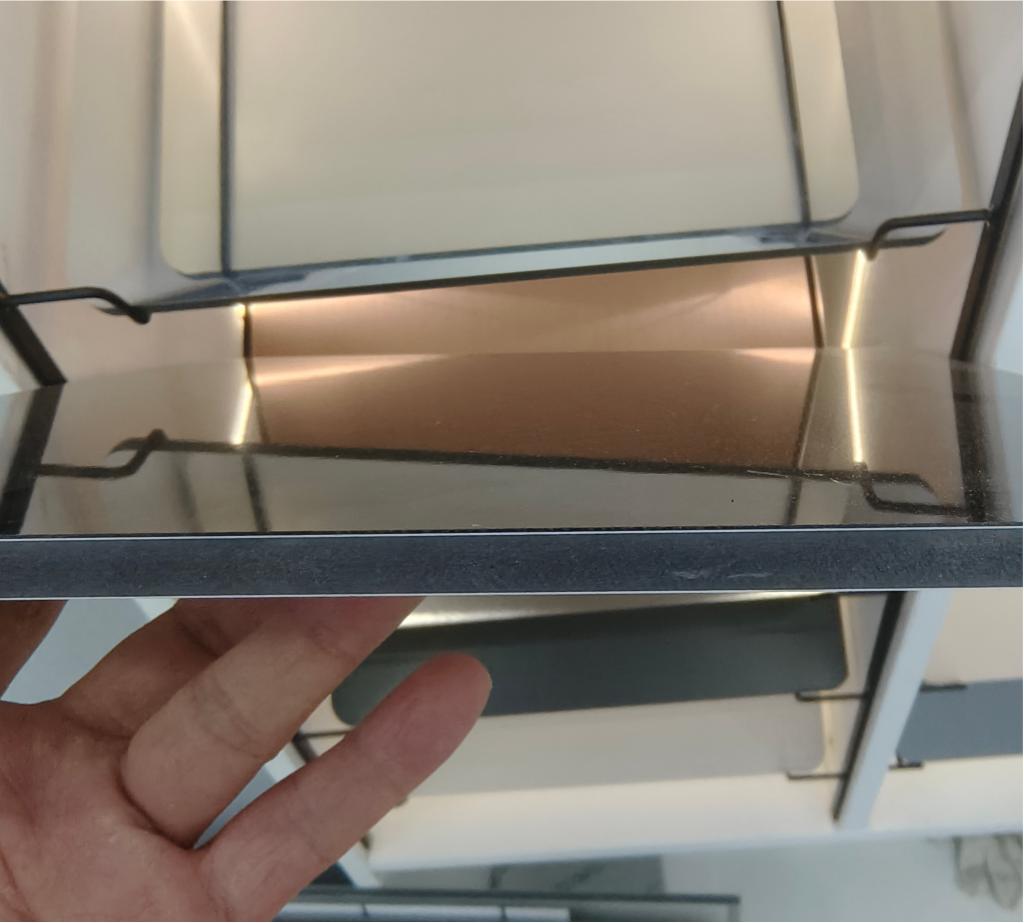
What Are Eco-Friendly Wall Panels?
eco-friendly wall panels refer to those made from renewable resources (such as fast-growing plants), recycled waste materials or low-carbon materials. The production process is low-energy-consuming, and during use, there is low or no emission of formaldehyde or VOCs. After the end of their life cycle, they can be recycled, biodegraded or reused.
To determine if something is truly eco friendly, the following five criteria can be considered:
- Raw materials: Recyclable (bamboo – 3-5 years to mature), recycled (used wood, waste paper, plastic bottles), or natural minerals (limestone powder).
- Health and safety: Formaldehyde emission reaches the ENF level (≤0.025mg/m³) or E0 level, low VOCs, certified by GREENGUARD, REACH, etc.
- Production process: No harmful adhesives (preferably MDI free adhesives or hot melt process), low energy consumption.
- Performance during use: Durable, waterproof, mold-resistant, soundproof, etc., reducing the frequency of replacement.
- Life cycle: Recyclable, biodegradable, supporting the circular economy.
Compared to traditional materials, high-quality eco-friendly wall panels can significantly improve indoor air quality and meet the requirements of green building certifications (such as LEED).
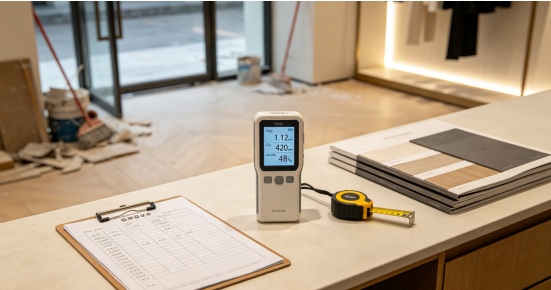
Main Types of Eco-Friendly Wall Panels
There are a wide variety of eco-friendly wall panels available on the market, ranging from purely natural to composite materials. The following is an introduction categorized by material type.
1. Natural Recyclable Plant Fibers
- Cork Fiber/Cork Board: Bamboo grows quickly and has a strong carbon absorption capacity (about 35% higher than ordinary trees). Advantages: High strength, natural texture, renewable; Disadvantages: Moderate moisture resistance, need to pay attention to sealing. Suitable for decoration walls in living rooms and bedrooms.
- Softwood Board: Harvested from oak bark, it does not harm the trees and can regenerate every 9 years. Advantages: Good sound insulation and heat preservation, anti-mold, near-zero VOC; Disadvantages: Higher price. Suitable for study rooms and children’s rooms.
- Natural Fibers such as Straw Cloth/Mulberry Fiber/Seagrass: Rapidly renewable crops, biodegradable. Advantages: Good ventilation, low impact; Disadvantages: Requires protection in humid environments.
- Hemp Board/Lime Hemp Board (Hempcrete): Hemp stalks + lime, can absorb carbon and regulate humidity. Advantages: Carbon-negative potential, good ventilation; Disadvantages: High professional requirements for construction.
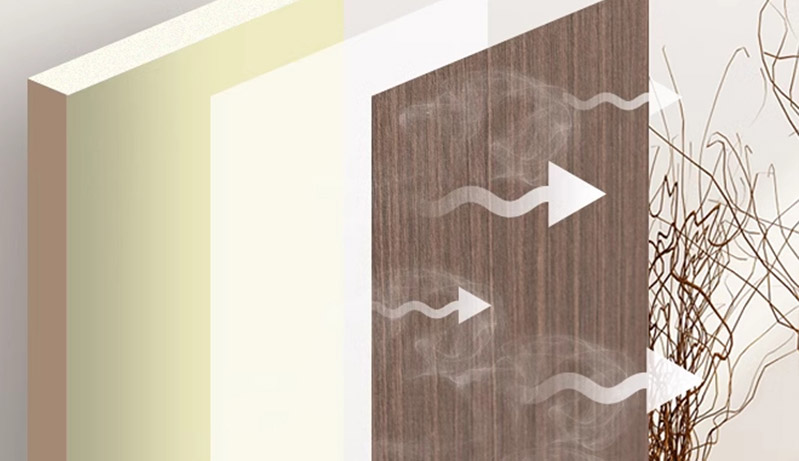
2. Recycled and Recyclable Materials
- Recycled wood/Reclaimed wood panels: From old buildings and waste wood. Advantages: Unique texture, reduced deforestation; Disadvantages: Stability depends on the process. Suitable for retro styles.
- Paper waste/Recycled PET panels: Made from industrial paper waste or recycled plastic bottles. Advantages: Waste utilization, recyclable; Disadvantages: Strength varies depending on the process.
- Straw panels/Grass fragrance panels: Pressed from agricultural straw, often with formaldehyde-free glue. Advantages: Renewable, low formaldehyde.
3. Composite Materials (Relatively eco Friendly)
- SPC Stone Plastic Composite Wall Panels: 60%–80% limestone powder + PVC.
- Advantages: Zero formaldehyde addition, 100% waterproof, fire-resistant B1, theoretically recyclable, durable for 15–30 years;
- Disadvantages: Contains PVC (petroleum-based, difficult to fully degrade), recycling system needs improvement. Suitable for bathrooms, kitchens, and high-traffic commercial spaces.
- WPC Wood Plastic Composite Wall Panels: Wood fibers + plastic (partially recycled).
- Advantages: Natural wood-like appearance, partially biodegradable, low formaldehyde, reduces landfill;
- Disadvantages: Still contains plastic, has slightly weaker fire and moisture resistance than SPC. Suitable for decorative walls in dry areas.
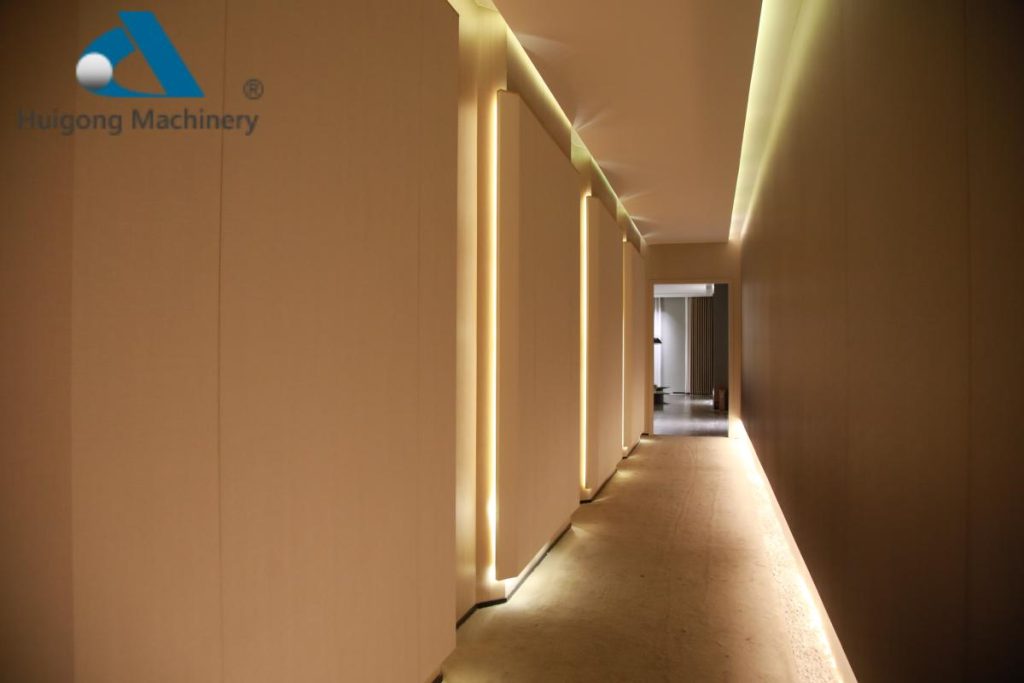
Material Comparison
| Material Type | Key Ingredients | Eco Highlights | Best For | Relative Cost |
| Bamboo | Rapidly renewable bamboo | High CO₂ sequestration, strong | Living rooms, feature walls | Medium |
| Cork | Cork oak bark | Renewable harvest, acoustic, low VOC | Offices, bedrooms | Medium-High |
| Reclaimed wood | Salvaged timber | Reduces deforestation | Rustic or industrial looks | Medium |
| Hemp / natural fiber | Hemp, jute, etc. | Carbon-negative potential, breathable | Eco builds, partitions | High |
| SPC | Limestone + PVC | Zero formaldehyde, waterproof, durable | Bathrooms, commercial | Medium |
| WPC | Wood fiber + plastic | Recycled content, natural feel | Dry decorative walls | Medium-Low |
The truly top-notch eco friendly options include bamboo, cork, hemp, etc., which are all purely natural/biologically based. SPC and WPC, on the other hand, are “improved eco-friendly” products, excelling in terms of waterproofing, cost and health balance.
Key Benefits of Eco-Friendly Wall Panels
- Healthier indoor air: Low/No formaldehyde, low VOC, reduces indoor pollution, suitable for rooms for pregnant women, children, and the elderly.
- Lower environmental impact: Recyclable or renewable raw materials, reduce carbon footprint, support circular economy.
- Functionally practical: Most have sound insulation, heat preservation, humidity regulation, waterproofing, and fire resistance properties, enhancing living comfort.
- Aesthetically pleasing and durable: Various natural textures or simulation effects, modular design for quick installation, long lifespan (10–30 years), reduces waste.
- Policy and market alignment: Complies with green building trends and stricter national standards for formaldehyde in 2026, enhances property value.
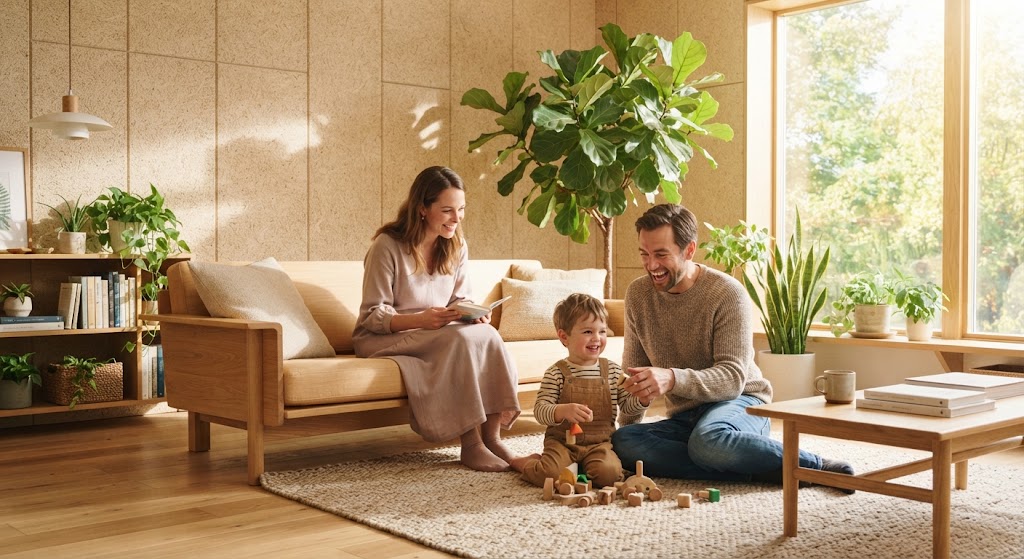
How to Choose the Right Eco-Friendly Wall Panels
- Prioritize certifications — GREENGUARD Gold, FSC, EPDs, low-emission labels and verified recycled content claims.
- Match the application:
- Wet areas (bathrooms, kitchens) → SPC preferred for full waterproofing.
- Dry living spaces → Bamboo, cork or WPC for aesthetics and comfort.
- Children/sensitive individuals → All-natural or zero-formaldehyde SPC.
- Check material transparency — Ask about recycled content percentage, adhesive type (prefer formaldehyde-free) and end-of-life options.
- Balance budget and longevity — Higher upfront cost for premium natural panels often pays off through durability and health benefits.
- Avoid greenwashing — Request third-party test reports rather than relying solely on marketing language.
Installation and Maintenance Tips
- Installation: Most of them support dry hanging, snap-in or light adhesive installation, reducing wet work. The base surface needs to be flat and dry; waterproof treatment should be done in damp areas. Professional construction can avoid hollowing and deformation.
- Maintenance: Daily cleaning with a damp cloth is sufficient, avoiding strong acid and alkali cleaning agents. SPC/WPC has strong stain resistance; for natural materials, pay attention to moisture-proof and ventilation.
- Common problems: Use the matching rubber strips for the joints; reserve expansion joints in spaces with large temperature variations.
Correct installation can extend the lifespan and maintain environmental protection performance.
Frequently Asked Questions
Do eco-friendly wall panels cost more?
Natural options often carry a premium, while SPC and WPC sit in the mid-range. Lifecycle costs are frequently lower due to durability and reduced health-related expenses.
Can I install them over existing walls?
Yes in most cases, provided the surface is sound, clean and reasonably flat. Major irregularities should be corrected first.
Which panels are best for children’s rooms or sensitive occupants?
Prioritize zero-formaldehyde natural materials (cork, bamboo) or certified low-emission SPC.
Conclusion
eco-friendly wall panels are not only an upgrade in decoration materials, but also a practice for a healthy lifestyle and sustainable development. From the natural beauty of bamboo fibers and cork, to the practical balance of SPC and WPC, choosing the right materials can make your home both beautiful and reassuring.
It is recommended to make a comprehensive decision based on actual needs (such as the scene, budget, and priority for environmental protection). Prioritize checking the certifications and test reports. If you are planning to renovate, please feel free to further inquire about specific product parameters, cases, or quotations to jointly create a truly green wall space.