

Common SPC Wall Panel Installation Mistakes to Avoid
SPC wall panels are now common on interior walls. You see them in hotels, offices, retail shops, commercial sites, and homes. People pick SPC panels because they resist water well. The surface can take daily wear. Cleaning them is usually simple. They also come in many design choices. Even so, a top grade SPC wall panel can look bad in the end. This can happen when the installer does not handle the job the right way.
Most installation problems do not necessarily stem from the material itself. Factors such as uneven walls, inaccurate measurements, improper selection of adhesives, poor alignment of seams, and hasty and sloppy finishing can all affect the final appearance and long-term performance.If you are planning an SPC wall panel installation, knowing the most common mistakes in advance can help reduce material waste, installation time, and unnecessary rework.
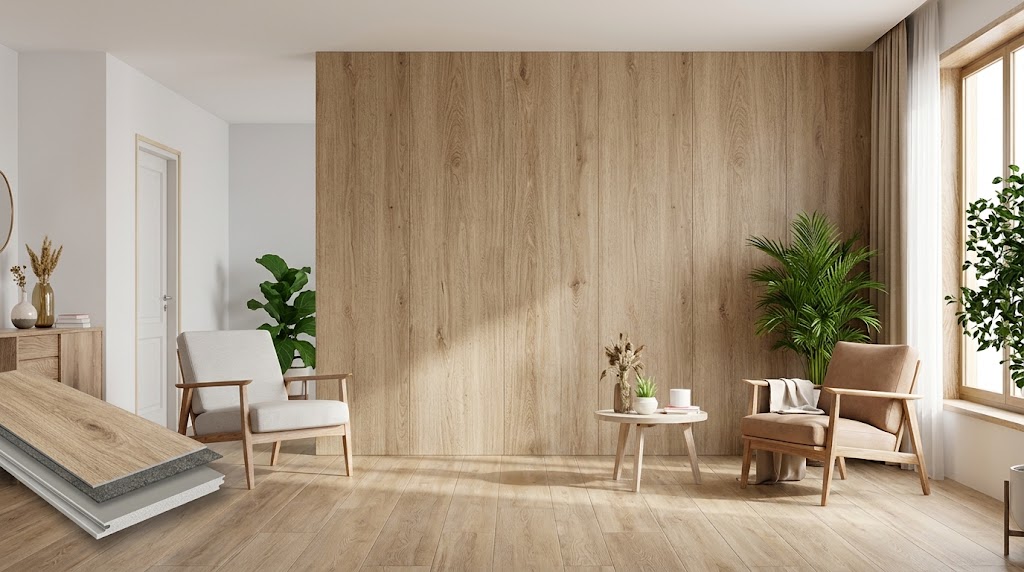
1. Skipping Proper Wall Preparation
This is one of the most common and easiest mistakes that can cause problems later on.
Many people think that SPC wall panels are relatively hard and a slight unevenness of the wall surface is not a big deal. In fact, an uneven wall surface, residual dust, oil stains or dampness will all affect the tight connection of the panel’s locking mechanism and create stress points, leading to cracks or splits later on.
How to avoid:
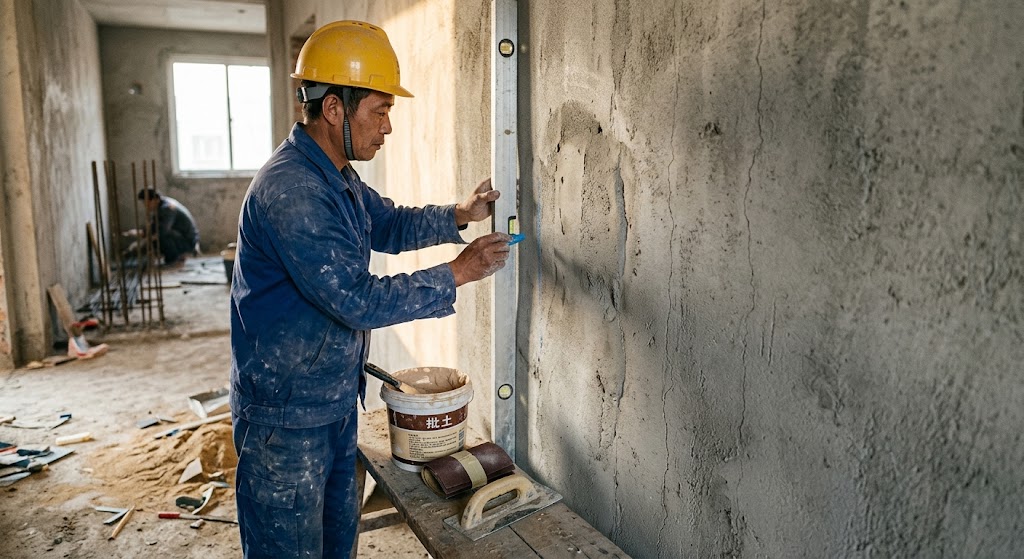
- Use a long level ruler or straight edge to check the wall surface’s flatness. Areas with a height difference greater than 3 millimeters within a range of more than 2 meters should be leveled.
- Thoroughly clean the wall surface, removing dust, old glue, peeling paint and oil stains.
- Repair all holes, cracks and loose plaster.
- Ensure the wall is completely dry before starting the installation. Especially in bathrooms and kitchens, residual moisture behind the wall can cause long-term hazards.
Taking the time to do a good job of base treatment will almost always result in a cleaner and more durable final effect.
2. Not Acclimating the Panels
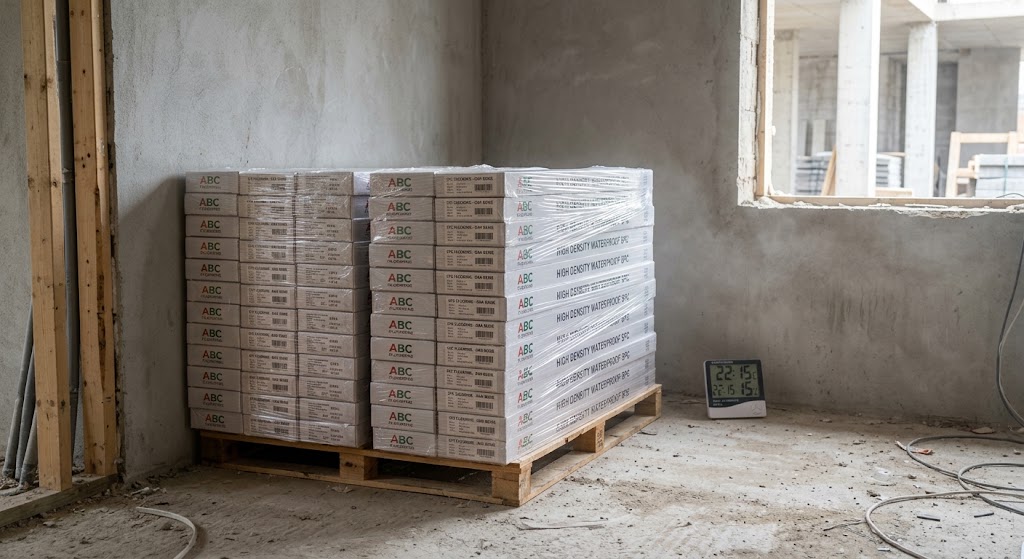
SPC wall panels will undergo slight thermal expansion and contraction due to changes in temperature and humidity. It is very common to directly install the panels from a cold warehouse or a hot truck without allowing the panels to adapt to the room environment.
If the panels do not fully adapt to the environment, they may expand or contract later, resulting in obvious gaps or arching.
How to avoid it:
- Place the panels flat in the installation room and let them rest for at least 48 hours.
- Keep the room temperature between 15°C and 28°C and maintain normal humidity.
- Avoid exposing the panels to direct sunlight during the resting period and keep them away from heating or air conditioning vents.
This simple step can significantly reduce the risk of panel movement after installation.
3. Ignoring Expansion Gaps
Although the dimensional stability of SPC materials is better than that of many other materials, expansion space still needs to be reserved. Not leaving expansion gaps around the edges is one of the main reasons for the arching and deformation of the sheet.
How to avoid:
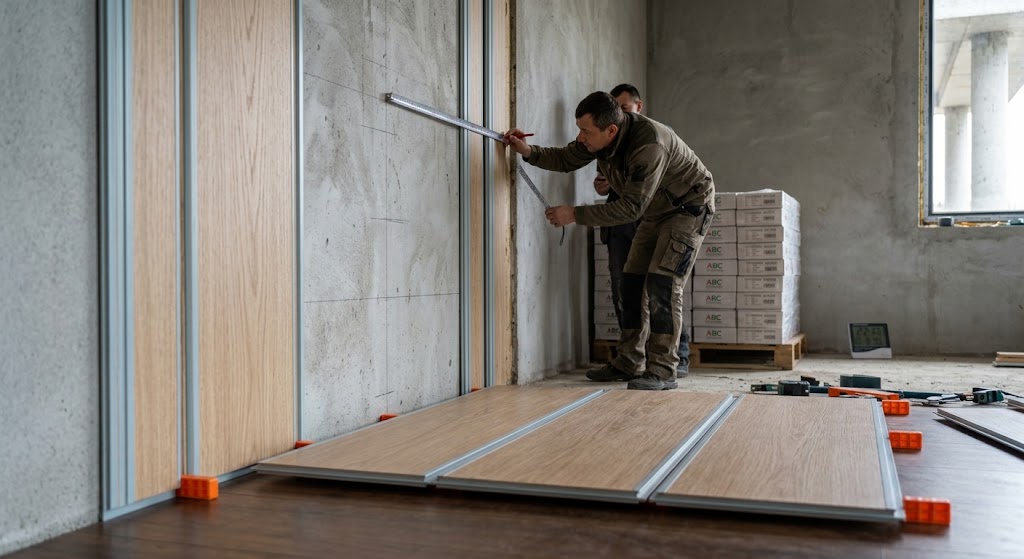
- Reserve a gap of 5–8 millimeters between the sheet and all fixed structures (walls, ceilings, floors, cabinets, door frames).
- Use spacers to keep the gaps uniform during installation.
- Cover the gaps with matching skirting boards, edge bands or silicone to maintain aesthetics.
- Pay special attention to the corners and areas around windows and fixed furniture.
Do not forcefully attach the sheet to adjacent surfaces.
4. Incorrect Starting Point and Poor Layout Planning
Starting the installation from the wrong position often results in narrow strips at the other end, or mismatched patterns. This is particularly evident in wood grain or stone pattern designs.
How to avoid:
- First measure the length of the whole wall and calculate how the plates are arranged.
- Try to avoid leaving narrow strips that are less than one-third of the width of a full board at the end.
- In most cases, start the installation from the most prominent corner or the longest continuous wall.
- If the pattern is complex or there are many obstacles in the room, you can do a dry laying and pre-arrangement first.
Make proper planning before installation, which can not only save time but also achieve a more professional result.
5. Forcing Panels or Using Excessive Force
The snap-lock SPC system is designed to be connected with moderate force. Forceful tapping or forced insertion can easily damage the edge of the snap-lock, causing the later seams to loosen.
How to avoid:
- Insert the long side of the sheet at the recommended angle (usually 20–30 degrees), then gently lower the snap-lock.
- Use pads and rubber hammers only when necessary, and never directly strike the sheet surface.
- If the sheet is difficult to snap-lock, first check if there are any杂物 in the slot or if it is aligned, rather than forcefully applying pressure.
- Damaged snap-lock sheets should be replaced, do not force them to use.
The gentle and correct operation method can achieve a more secure and durable seam.
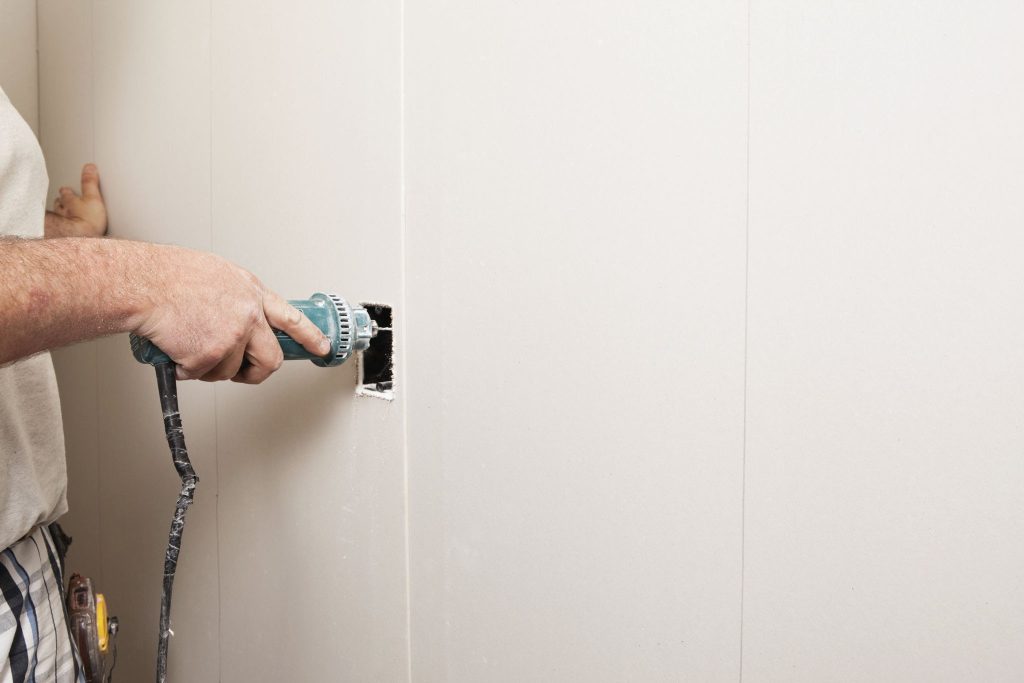
6. Poor Cutting and Edge Finishing
Inaccurate cuts at sockets, water pipes, windows and corners can be very noticeable and may affect the overall waterproofing effect.
How to avoid:
- Use fine-tooth saws, curved saws or dedicated SPC cutting tools to ensure clean cuts.
- Make two measurements before cutting. Clearly mark on the decorative surface.
- Leave a small gap when cutting the socket or switch position, and use appropriate covers or sealants to seal the edges.
- Decide the orientation of the decorative surface based on the tool characteristics to reduce chipping.
- If necessary, you can lightly sand the rough edges before installation.
Clean cuts are an important indicator to distinguish between amateur and professional installations.
7. Installing in Wet Areas Without Proper Sealing
SPC wall panels themselves have a high level of water resistance, but the overall waterproofing effect of the system depends on the weakest link. Problems in bathrooms and kitchens often occur because the edges, corners, and pipe penetrations are not properly sealed.
How to avoid:
- Apply continuous sanitary-grade silicone around all perimeters, corners, and around fixtures.
- Pay special attention to the junctions between the wall panels and the floor or bathtub.
- In high-humidity areas, as recommended by the manufacturer, use waterproof tape or waterproof membranes on the back of the panels.
- Avoid leaving any untreated open seams in damp areas.
Correct sealing can truly turn the waterproofing material into a reliable waterproof wall system.
8. Using the Wrong Adhesive or Fastening Method
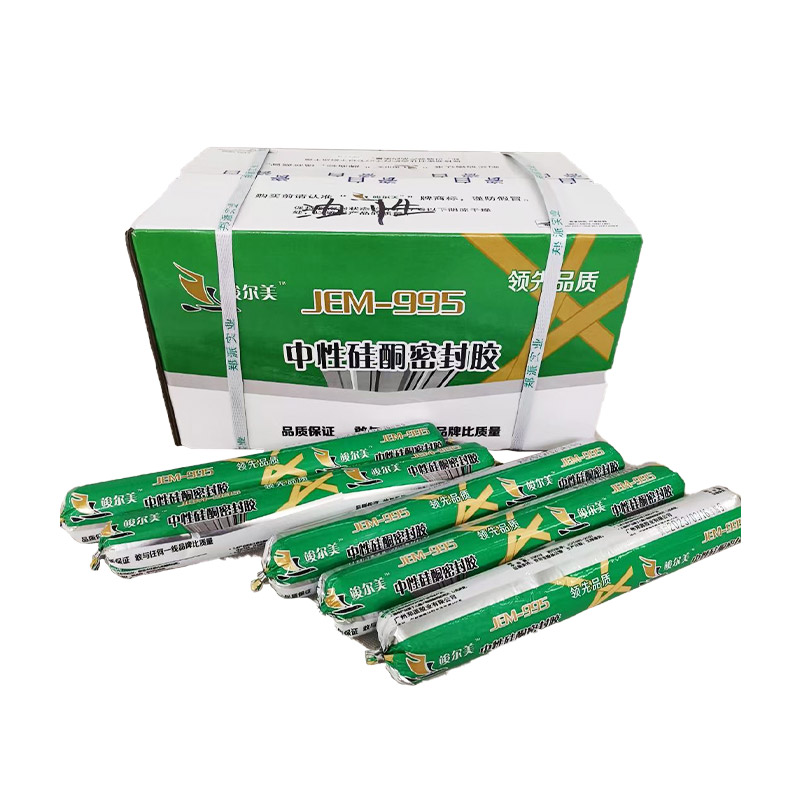
Some SPC systems are purely snap-lock type, while others recommend using adhesives (especially for ceilings or uneven walls). Using incompatible adhesives or relying solely on mechanical fixation when adhesive is needed can cause the panels to fall off later.
How to avoid:
- Strictly follow the installation recommendations of the manufacturer.
- If adhesive is needed, choose flexible adhesives specifically designed for SPC or vinyl products.
- Apply the adhesive evenly, avoiding excessive glue in the joints.
- For mixed systems, combine the snap-lock with local spot application instead of applying adhesive to the entire surface.
Using the correct fixation method can ensure long-term adhesion and stability.
9. Not Checking Level and Alignment Continuously
During the initial installation, small deviations will accumulate and become very obvious by the end of the wall. If the first row is slightly uneven, subsequent rows will have misaligned joints and color misalignment.
How to avoid:
- The first row must be carefully aligned using a level.
- Check the level and verticality every few rows.
- For large areas of the wall, it is recommended to use a laser level.
- Correct any deviations immediately. Do not expect them to automatically level out later.
Continuous inspection ensures that the entire wall is installed straight and professionally.
10. Overlooking Corner and Transition Details
Corners and transitions with other materials are often dealt with hastily. Improper handling of inner and outer corners, or a rough junction with tiles, paint, and the floor, can affect the overall appearance and create weak points.
How to avoid:
- Use the corner edge trim recommended by the manufacturer, or precisely 45-degree angle joints for the panels.
- When transitioning with different materials, choose matching transition edge trim.
- Ensure there is sufficient support at the corners and proper sealing.
- Plan the finishing method in advance to make the final effect look intentional rather than makeshift.
Proper handling of details can significantly improve the completion of the entire project.
11. Choosing the Wrong SPC Wall Panel for the Application
Some installation problems actually emerged before the construction began. If one selects SPC wall panels merely based on their appearance or price without considering the actual application environment, more problems may arise during the subsequent installation.
Different indoor application scenarios have different requirements for wall panels. For instance, the usage requirements for hotel corridors may differ from those of residential bedrooms, retail stores, offices, etc.
When choosing SPC wall panels, the following aspects can be given priority consideration:
- Application scenario: Where will the wall panels be installed?
- Wall base: What material is the construction base made of and what is its condition?
- Installation method: Is the project more suitable for adhesive installation or latch installation?
- Product specifications: What thickness, width, length and surface effect are needed?
- Project requirements: Are there specific requirements for fire resistance, waterproofing, durability or customization?
Choosing the appropriate SPC wall panels before the construction begins can make the subsequent installation more smooth.
Complete a final inspection before the space is handed over.
Final Thoughts
Installing SPC wall panels is relatively straightforward when the wall condition, materials, layout, and installation method are properly prepared. Most common problems come from skipping basic preparation rather than from the installation system itself.
Uneven walls, dirty substrates, unsuitable adhesive, inaccurate measurements, poor cutting, misaligned joints, and unfinished corners can all affect the final result. Taking the time to plan these details before installation can reduce material waste and improve both installation efficiency and finished appearance.
For commercial and residential interior projects, choosing the right SPC wall panel is just as important as installing it correctly. Huigong supplies SPC wall panels for interior applications, with different specifications, finishes, and installation options available for project requirements. OEM and ODM customization can also be provided for specific commercial projects.