

How Long Do SPC Wall Panels Last? Factors That Affect Their Lifespan
Homeowners and contractors rarely ask “what does it look like” first — they ask “will it last.” SPC (Stone Plastic Compound) wall surface panels have actually gained a reputation as one of the most durable interior cladding choices on the market, generally lasting 15 to 25 years, and usually much longer, with appropriate installation and treatment. That number isn’t guaranteed, though. Material quality, installation criteria, and the setting a panel lives in can push that life expectancy up or reduce it considerably. This guide breaks down exactly why SPC wall panels last as long as they do, and what determines whether yours will hit the high end of that range.
Quick Answer: Average Lifespan of SPC Wall Panels
Under regular household or business usage, the majority of SPC wall surface panels stay structurally sound and visually undamaged for 15 – 25 years. Panels made with high-density calcium carbonate cores and UV-resistant surface area finishes frequently exceed this, with suppliers currently providing guarantees of 10– 15 years as a standard assurance of efficiency. This is significantly longer than wallpaper (5–10 years) or basic PVC panels (8–12 years), largely because of how SPC is engineered.
What Makes SPC Wall Panels Durable by Design
The composite core of SPC panels, which usually makes up 60–80% of the panel’s mass, is composed of PVC resin and calcium carbonate (limestone powder). SPC differs from wood-based or paper-based wall products due to its mineral-rich structure; unlike organic fibre materials, it is not absorb wet, expand, or rot.
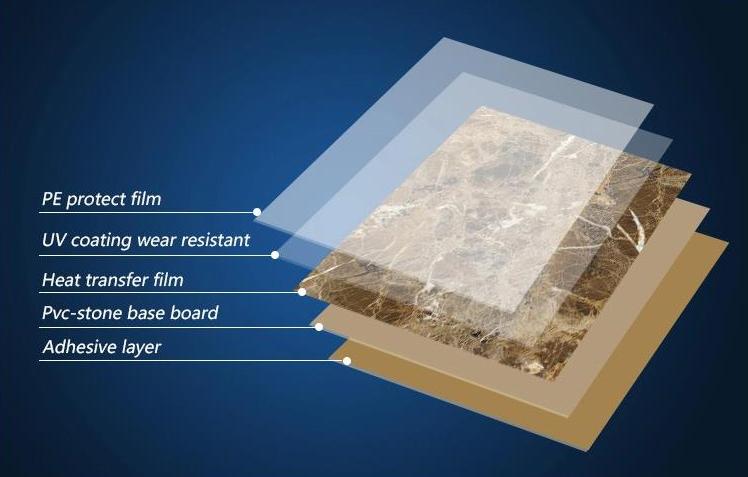
A finished SPC panel is generally built in three layers:
- Core layer – the rigid stone-plastic base that gives panels their strength and dimensional stability
- Decorative layer – a high-resolution printed film (wood grain, marble, stone textures)
- Wear layer – a protective coating that resists scratching, fading, and staining
This layered structure is the primary reason SPC panels can hold their appearance for two decades or more, rather than degrading after a few years of normal wear.
Key Factors That Affect the Lifespan of SPC Wall Panels
1. Material Quality and Manufacturing Process
Not all SPC panels are created equal. Panels made with virgin PVC and a properly calibrated calcium carbonate ratio resist cracking and warping far better than those made with recycled or low-grade fillers. Factories with in-house quality control and traceability systems catch inconsistencies before panels ever leave the production line — something trading companies without their own factories often cannot guarantee.
2. Installation Quality
Even the best panel will underperform if installed incorrectly. Panels need proper expansion gaps, correctly aligned locking systems, and a flat, clean substrate. Poor installation is one of the most common — and most avoidable — causes of premature edge lifting or joint separation.
3. Indoor Environment
Extreme humidity, direct and prolonged sunlight, or large temperature swings can accelerate wear, particularly on the printed decorative layer. SPC handles moisture far better than wood-based panels, but UV exposure over many years can still cause gradual fading if the wear layer isn’t UV-stabilized.
4. Usage Situation
A hallway panel in a peaceful office will normally outlast one installed in a high-traffic industrial kitchen or a medspa with constant steam exposure. Application context matters as much as the material itself.
5. Use Layer Thickness
A thicker, higher-quality wear layer translates to much better scratch and tarnish resistance over time. This is just one of the clearest indicators of long-term longevity when comparing products from different distributors.
6. Maintenance Habits
Regular, correct cleaning — avoiding abrasive tools or harsh solvents — preserves the surface coating and prevents dulling. Simple habits make a measurable difference over a 15–20 year lifespan.
SPC Wall Panels vs Other Wall Materials: A Lifespan Comparison
| Material | Average Lifespan | Moisture Resistance | Maintenance |
| SPC Wall Panels | 15–25+ years | Excellent | Low |
| WPC Wall Panels | 10–20 years | Good | Low–Moderate |
| Wood Veneer Panels | 10–15 years | Moderate | Moderate–High |
| Wallpaper | 5–10 years | Poor | High |
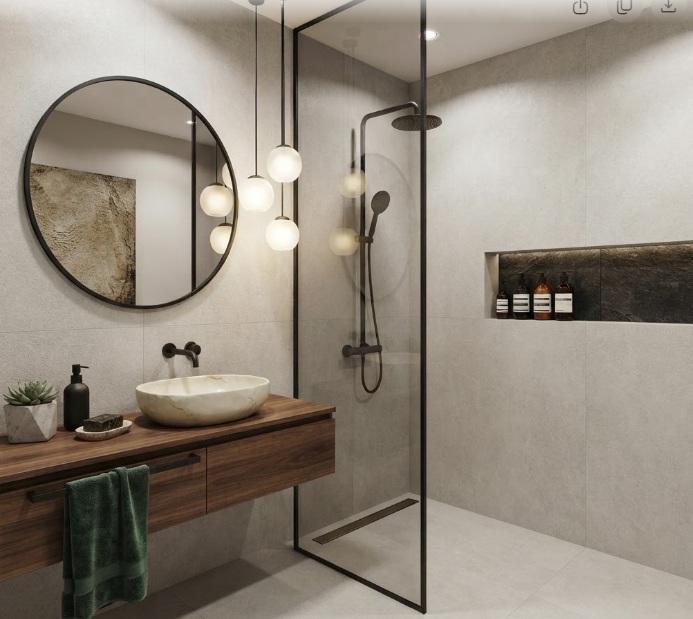
SPC’s mineral-based core offers it a clear edge in moisture-prone locations, which is why it’s increasingly defined for restrooms, kitchen areas, and business rooms where wood-based products fail.
Signs Your SPC Wall Panels May Need Replacement
- Visible cracking or splitting along panel joints
- Noticeable color fading in sun-exposed sections
- Edges lifting or panels feeling loose against the wall
- Persistent surface area discoloration that cleaning can’t eliminate.
Spotting these early usually indicates an installation or environmental concern as opposed to a product failure, and typically just a section requires focus as opposed to a complete replacement.
How to Extend the Lifespan of Your SPC Wall Panels
1.Address minor damage quickly before it spreads to adjacent panels
2. Tidy with a soft fabric and moderate, non-abrasive cleaner.
3. Limit extended direct sunshine direct exposure where feasible.
4. Maintain stable interior moisture levels.
5. Use a qualified installer familiar with SPC locking systems
Can WPC Panels Be Repainted?
WPC panels may be repainted, but the condition of the existing coating needs to be evaluated first.
If the original paint is peeling, cracked, or poorly bonded, simply applying another layer may not solve the problem. The existing coating may need to be removed or properly prepared before a new primer and paint system is applied.
The compatibility between the old and new coatings is also important. When the surface condition or previous coating is unknown, testing a small area before repainting is recommended.
Choosing High-Quality SPC Wall Panels: What to Look For
Seek panels backed by ISO and SGS qualification, a documented wear-layer thickness, and a supplier that manages its very own production rather than outsourcing to third parties. Providers with their very own factories can maintain tighter high quality traceability, which converts straight right into more regular long-term efficiency set after batch.
FAQ
Are SPC wall panels water resistant?
Yes. Their stone-plastic composite core does not soak up water, making them apropriate for kitchens, restrooms, and other moisture-prone locations.
Do SPC wall surface panels discolor in time?
Some fading can accompany years of straight UV direct exposure, though UV-stabilized wear layers substantially slow this procedure.
Are SPC wall panels much better than WPC for damp areas?
Generally, yes. SPC’s mineral-based core supplies more powerful wetness resistance than WPC’s wood-plastic composition.
What guarantee should I anticipate from a top quality manufacturer?
Respectable makers commonly supply 10-15 year warranties, mirroring self-confidence in world-class quality and manufacturing consistency.
SPC wall panels can last a long time. How long they last in real use depends on the same things that affect any building material. These include the quality of the raw inputs, proper fitting, local weather and moisture, and regular upkeep. Also, the maker matters. A plant with steady output and clear process control is often the biggest thing a buyer can choose.
Want SPC wall panels made for long service life? Contact us for specs, certifications, or sample pieces.