

Can WPC Panels Be Painted? A Guide to Painting WPC Wall Panels
WPC panels can be painted, but the process is different from painting a conventional plaster or drywall surface. Because WPC (Wood Plastic Composite) panels contain both wood-based and polymer materials, their surface can be relatively smooth and less porous. This means that paint adhesion depends heavily on the panel’s surface finish, preparation, primer, and the type of paint used.
For renovation projects or interiors that require a different color, painting can be an option. However, for new commercial projects, choosing a factory-finished or custom-colored WPC wall panel is often a more practical solution.
Can WPC Panels Be Painted?
Yes, WPC panels can be painted when the surface is properly prepared and the coating system is compatible with the panel.
However, not all WPC wall panels should be painted in the same way. Unfinished WPC surfaces are generally easier to coat, while panels with decorative films, co-extruded surfaces, or specialized protective finishes may require additional testing before painting.
The original surface finish should always be considered before deciding to repaint a panel. Painting a finished decorative surface without proper preparation can result in poor adhesion, uneven coverage, peeling, or damage to the original texture.
What Makes WPC Panels Different from Regular Walls?
The main challenge when painting WPC panels is surface adhesion.
Traditional drywall, plaster, and cement surfaces are relatively porous, allowing many types of paint to bond easily. WPC has a smoother surface and contains polymer components, which can make direct paint application less effective.
Some WPC wall panels also feature wood grain, stone textures, fluted designs, or protective surface layers. These finishes are designed to provide a ready-to-use decorative appearance, so sanding or coating them may change their original look.
For this reason, painting WPC panels should be treated as a surface-coating project rather than simply applying ordinary wall paint.
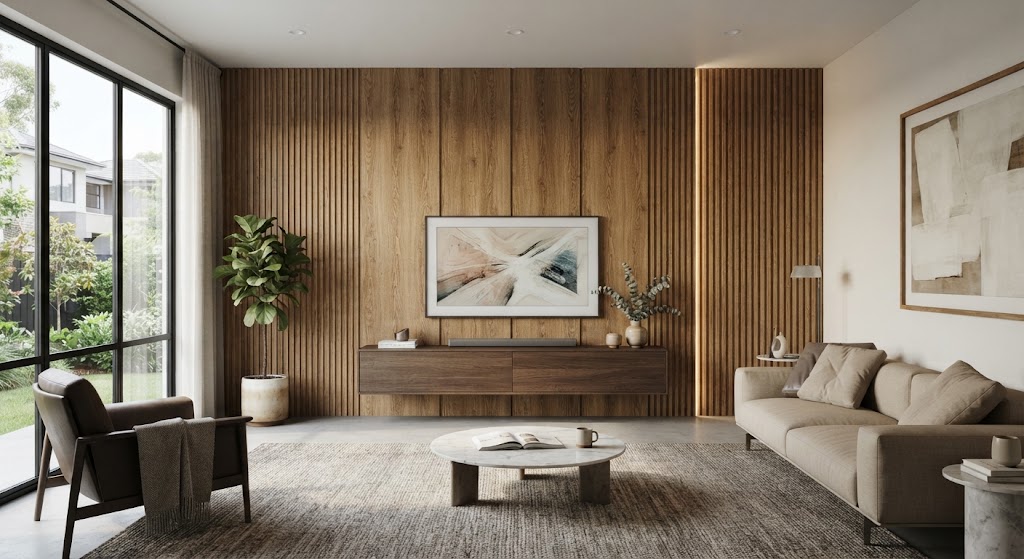
How to Paint WPC Wall Panels
If a WPC panel is suitable for painting, proper preparation is essential.
1. Clean the Surface
Remove dust, grease, dirt, and other contaminants from the panel. The surface should be clean and completely dry before sanding or priming.
2. Lightly Sand the Surface
For smooth WPC panels, light sanding can help create a better surface for primer adhesion. The purpose is not to remove a large amount of material, but to slightly improve surface texture.
If the panel has a decorative coating or textured finish, excessive sanding may damage the surface. Always check the manufacturer’s recommendations before proceeding.
3. Apply a Compatible Primer
Primer is one of the most important steps when painting WPC panels. A suitable primer can improve adhesion between the WPC surface and the topcoat.
Rather than using a standard wall primer automatically, choose a product that is specifically compatible with smooth or polymer-containing substrates. A small test area should be coated first to confirm adhesion and appearance.
4. Apply the Paint
After the primer has properly dried, apply a compatible paint according to the coating manufacturer’s instructions.
The paint should provide good adhesion and, depending on the application, adequate moisture resistance, flexibility, and durability. For textured or fluted WPC panels, make sure the coating reaches the recessed areas evenly.
Multiple thin coats are generally preferable to one heavy coat because they can provide more consistent coverage and reduce the risk of uneven drying.
5. Allow Sufficient Curing Time
Do not install, clean, or heavily handle the painted panel before the coating has fully dried and cured. The required time depends on the primer and paint system, temperature, humidity, and ventilation.
What Type of Paint Can Be Used on WPC Panels?
There is no single paint that works for every WPC product. The appropriate coating depends on the panel composition and surface finish.
Acrylic or water-based coatings may be suitable for some indoor WPC applications when used with a compatible primer. Coatings designed for plastic or other low-adhesion substrates may also provide better results on certain smooth WPC surfaces.
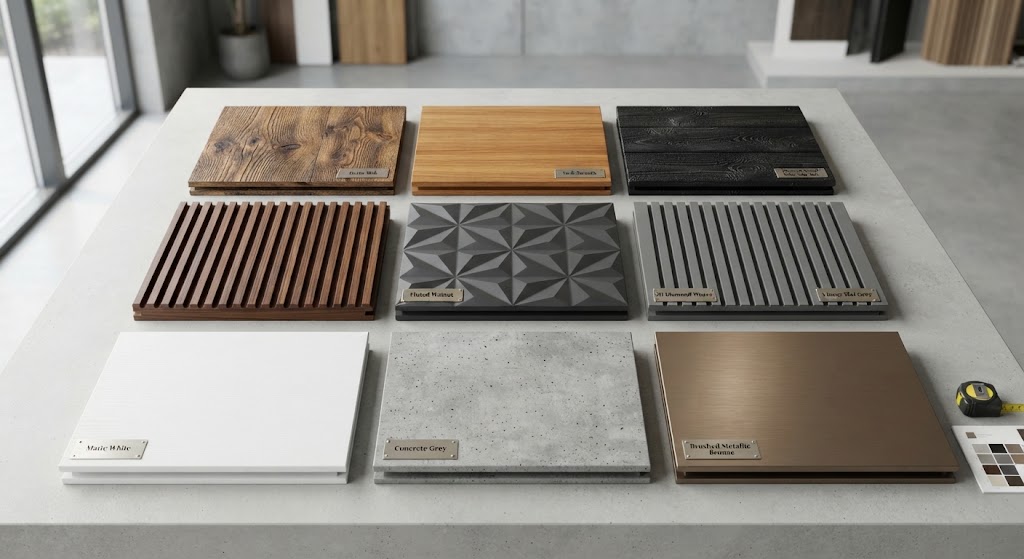
The most important consideration is compatibility rather than simply choosing a particular type of paint. Always test the complete primer-and-paint system on a small, inconspicuous area before starting a larger project.
What Are the Risks of Painting WPC Panels?
Painting can change the appearance of WPC wall panels, but there are several potential issues to consider.
Poor surface preparation can cause the paint to peel or scratch easily. On fluted or highly textured panels, achieving uniform coverage can also require more time and labor.
Another consideration is the original decorative finish. A WPC panel with a realistic wood grain, stone appearance, or co-extruded protective surface may have been specifically manufactured to maintain its appearance and durability without additional coating. Painting over it may reduce or completely change that visual effect.
For these reasons, painting is usually more suitable when a project needs to modify an existing panel rather than as the first choice for a new installation.
Is Painting Better Than Choosing a Custom-Color WPC Panel?
For new construction and commercial interior projects, selecting a factory-finished WPC wall panel can often be more efficient than painting panels after installation.
Factory production allows the color and surface finish to be controlled under consistent manufacturing conditions. This can be particularly useful for hotels, offices, retail spaces, restaurants, and other projects where large areas need to maintain a consistent appearance.
Custom-colored WPC panels can also reduce on-site painting work and help simplify installation. Instead of purchasing a standard panel and changing its color later, buyers can specify the desired color and decorative finish during the product selection stage.
For large-volume projects, this approach can provide better consistency in both appearance and production efficiency.
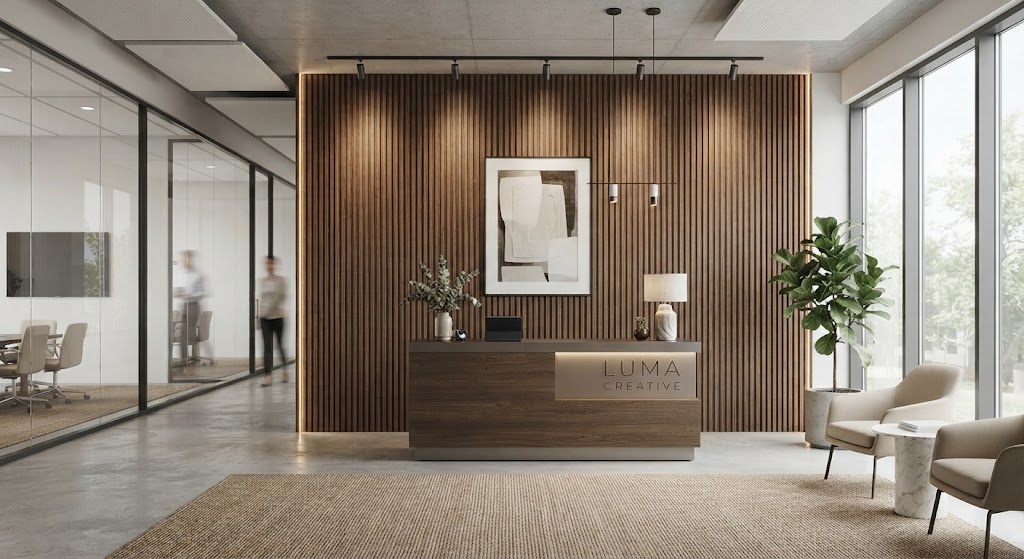
Can WPC Panels Be Repainted?
WPC panels may be repainted, but the condition of the existing coating needs to be evaluated first.
If the original paint is peeling, cracked, or poorly bonded, simply applying another layer may not solve the problem. The existing coating may need to be removed or properly prepared before a new primer and paint system is applied.
The compatibility between the old and new coatings is also important. When the surface condition or previous coating is unknown, testing a small area before repainting is recommended.
Final Thoughts
So, can WPC panels be painted? Yes, but successful painting depends on the specific WPC surface and proper preparation.
For existing panels, painting can be a practical way to update the appearance when the substrate is suitable. For new projects, however, a factory-finished or custom-colored WPC wall panel may provide a more consistent and efficient solution.
When selecting WPC panels for commercial interiors, consider not only the color but also the surface finish, durability, installation method, and long-term maintenance requirements. Working with a manufacturer that can provide different finishes and customization options can make it easier to match the material to the project’s design requirements.