

SPC Wall Panels vs Tiles: Bathroom Pros, Cons & Real Feedback
Many people still associate bathroom wall panels with a cheap plastic look. In practice, high tiling labor costs, inconsistent workmanship, and the ongoing maintenance problems of grout are leading more contractors and project owners to consider SPC wall panels as a practical alternative. This guide summarizes real feedback from public DIY communities and explains the performance, advantages, and selection criteria of modern bathroom wall panels, with a focus on SPC wall panels for wet areas.
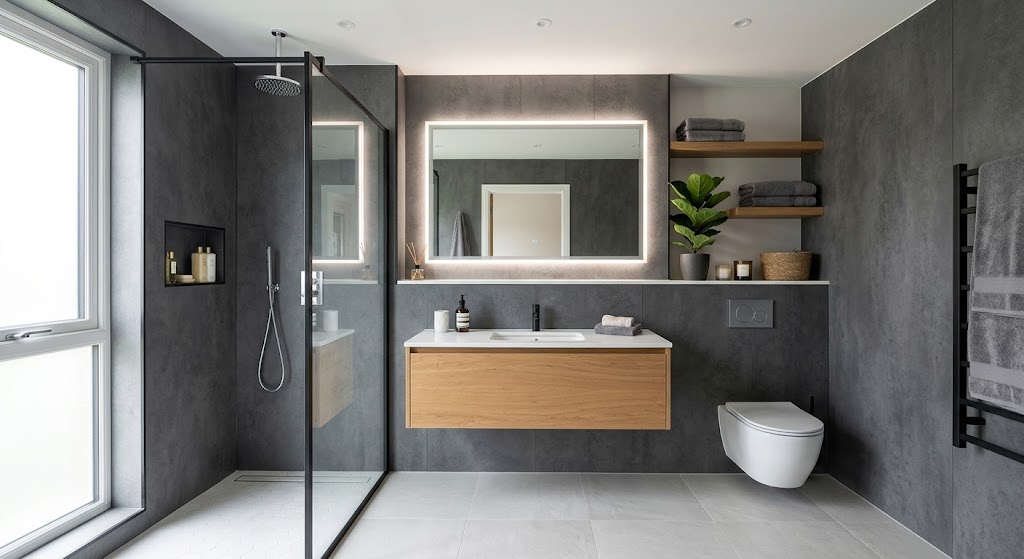
Why More Projects Are Switching to Bathroom Wall Panels
Common issues with traditional tiled bathrooms include:
- Rising labor costs and difficulty finding reliable tilers
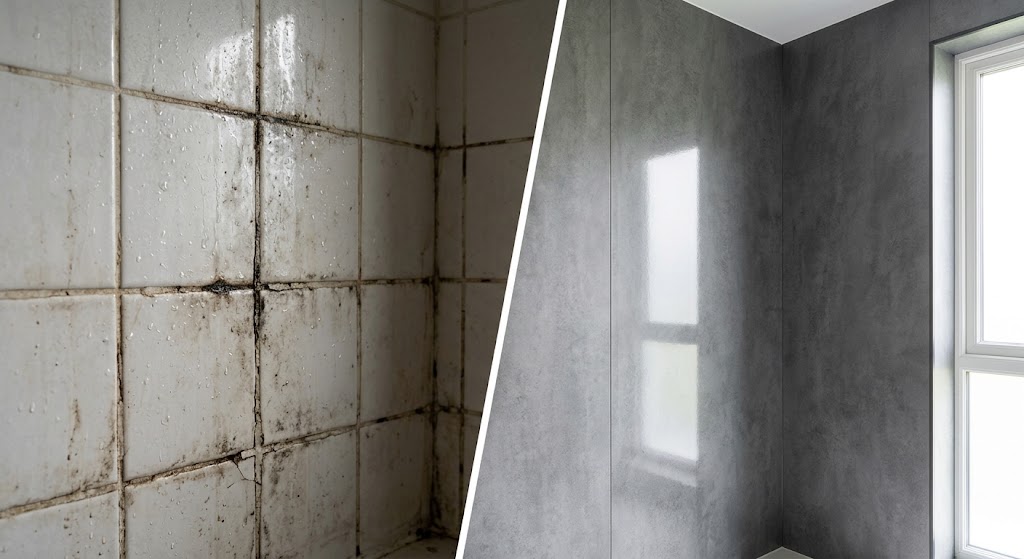
- Grout that stains, traps mold, and is difficult to keep clean
- Longer installation times that conflict with tight project schedules
Bathroom wall panels have all of these solutions: fast installation, no grout joints, and easy cleaning. In case of showers’ bathrooms, the advantages are even more evident. At the moment, SPC wall panels are the most preferred because of their stability, water resistance, and surface quality.
Real User Feedback on SPC Wall Panels and Bathroom Wall Panels
Feedback from public DIY discussions highlights several consistent points:
Installation
For most people, installing bathroom wall panels is relatively easy. After getting familiar with the installation procedure, the job can generally be done within half a day up to one whole day. What will determine how good the finished result looks are clean cuts and well-sealed joints.
Cleaning and Maintenance
This is the most frequently mentioned advantage of wall panels instead of tiles. With no grout, surfaces are easy to wipe and far less likely to stain or grow mold. Several users noted that hair dye no longer discolors the walls—an issue they previously experienced with tiled bathrooms. Some stated they would not return to traditional tiling.
Visual Result
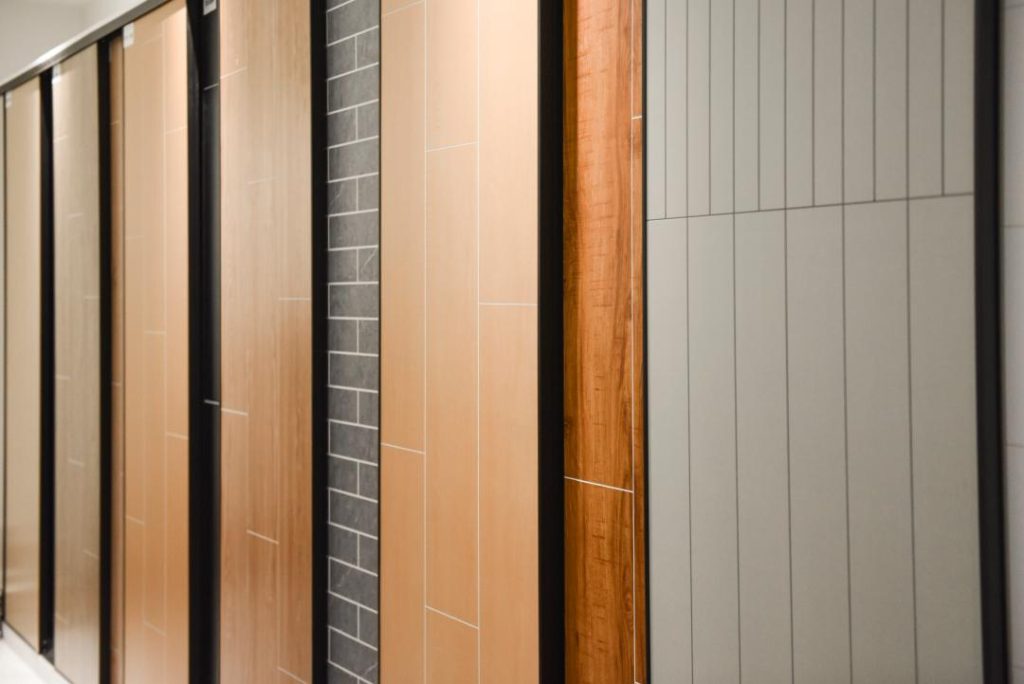
Earlier panel products often looked plasticky. Modern solid-core SPC wall panels with matte stone, concrete, or wood-effect finishes can achieve a cleaner, more contemporary look. Darker or textured surfaces generally appear more premium and hide marks better over time. Quality SPC wall panels have improved noticeably in texture depth and surface quality, helping reduce the “cheap panel” perception.
Users consistently emphasize that core material matters: solid-core SPC wall panels feel and perform better than hollow or corrugated PVC alternatives.
How to Choose and Install SPC Wall Panels for Bathrooms
Key Selection Criteria for Bathroom Wall Panels
- Prioritize solid-core SPC construction
Wall panels of solid-core SPC give a sense of stiffness and less chance of warping. The structure of stone-plastic composite ensures that the panel is ideally used in wet conditions than plain PVC panel. - Color and texture selection
The use of matte stones, dark gray tones, and concrete will always produce a better outcome compared to the use of pure white or glossy materials. - Complete accessory system
Matching internal and external corners plus edge profiles improve both the finished appearance and long-term waterproofing reliability of bathroom wall panels. - Confirm wet-area suitability
Always verify that the SPC wall panels are designed for high-moisture environments and check the recommended substrate preparation.
Installation Best Practices
- Ensure the substrate is properly waterproofed before installation.
- A track saw produces straighter, cleaner cuts than a standard circular saw.
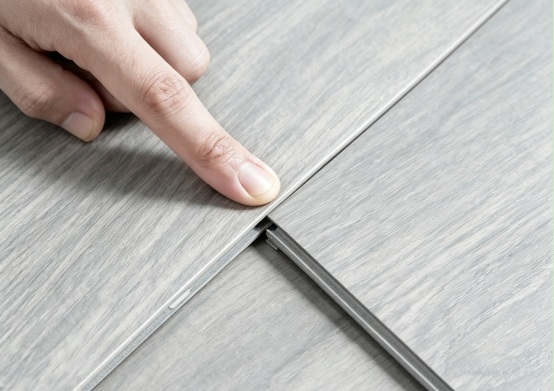
- Use a high-quality waterproof adhesive. Apply clear silicone in tongue-and-groove joints and carefully seal all corners and shower edges.
- Poor detailing at joints and edges remains the most common cause of later water issues with wall panels.
Common Mistakes to Avoid
- Selecting hollow or corrugated panels to reduce cost—these are more prone to deformation and a cheap appearance.
- Inaccurate cutting or rushed sealing that compromises the overall look.
- Skipping proper substrate waterproofing when installing SPC wall panels in bathrooms.
When SPC Wall Panels Make Sense (and When Tiles Are Still Preferable)
SPC wall panels and bathroom wall panels are often the better choice when:
- Project timelines are tight and reducing dependence on specialist tilers is important
- Labor cost control is a priority
- Low-maintenance performance is valued
- The bathroom is primarily shower-focused
Traditional tiles may still be preferable when:
- Maximum long-term perceived quality and fine detail are required
- Budget allows for skilled professional installation
- A classic stone or ceramic aesthetic is the design priority
Wall panels instead of tiles are not simply a lower-cost substitute. They are a practical solution for specific project constraints. The ultimate outcome is determined by the properties of materials used, type of finishes and installation rather than the type of products.
Conclusion: Choosing the Right Bathroom Wall Panels
Strengths of bathroom wall panels include low labor costs, easy maintenance, and the flexibility of installation. Key to success is using solid-core materials, picking the right colors and textures, and paying attention to the details.
When considering materials for your upcoming projects, concentrate on solid core construction, good wet area performance, and an accessory system. Different lines of SPC wall panels can have quite different specifications and finishes. Checking out the product details will give you the best idea about what to do next.