

Wall Panel Texture Guide: Types, Finishes and Uses
Wall panel texture plays an important role in interior design, influencing the appearance, depth, and overall atmosphere of a space. From natural wood grain and stone patterns to fluted surfaces and modern 3D designs, different textures offer different visual effects and practical considerations.
For architects, interior designers, contractors, and building material distributors, understanding the available wall panel textures makes it easier to select suitable products for residential and commercial projects. This guide explores popular texture types, surface finishes, application scenarios, and key factors to consider when sourcing decorative wall panels.
What Are the Most Popular Wall Panel Textures?
Wall panel textures vary in appearance, surface structure, and decorative style. The right choice depends on the project’s design requirements, intended application, and preferred material.
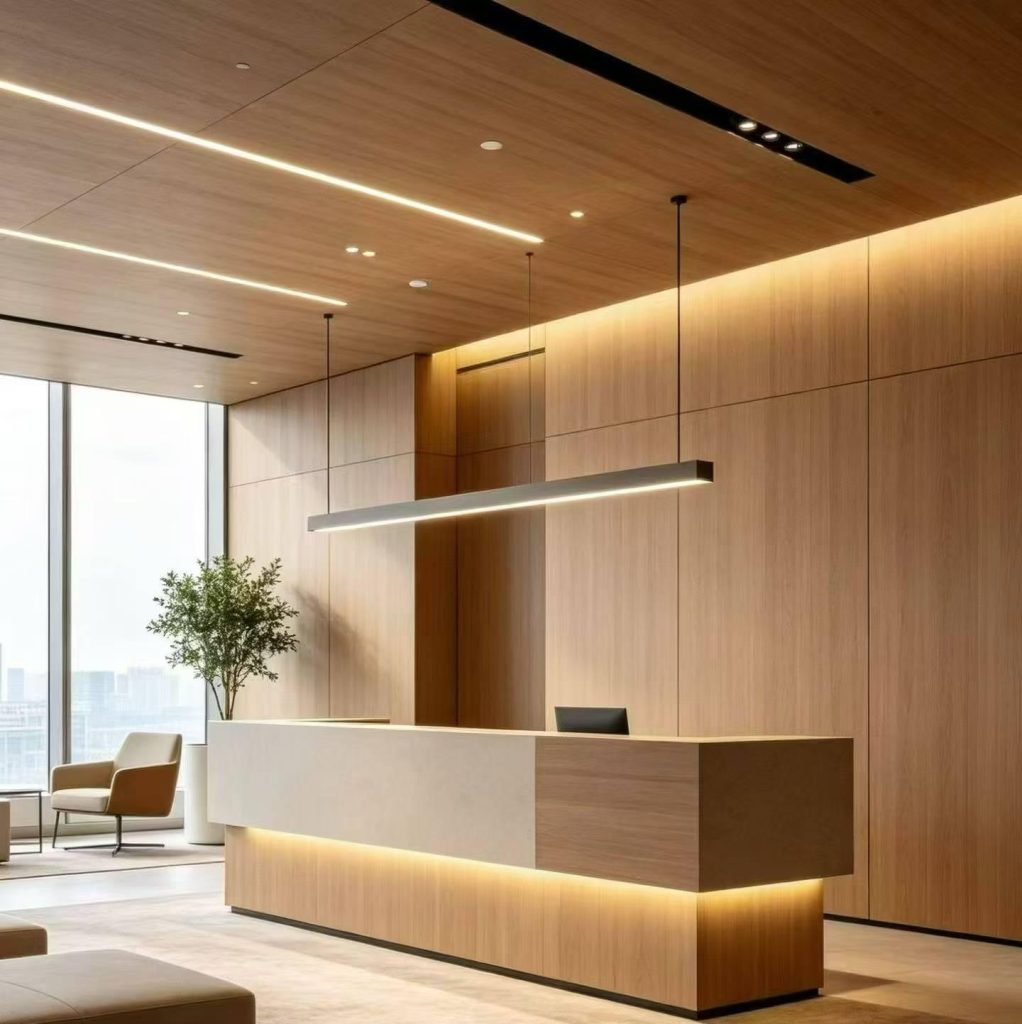
1. Wood Grain Texture
Wood grain is one of the most popular choices for decorative wall panels. It reproduces the natural patterns of wood, ranging from light oak and warm beige tones to darker walnut finishes.
Wood grain wall panels create a warm, natural appearance and complement a wide range of interior styles. They are commonly used in hotel rooms, office interiors, reception areas, and residential feature walls.For commercial projects, wood grain textures can provide the visual appeal of natural wood while allowing buyers to explore alternative materials and surface finishes. When selecting a design, consider the grain direction, color consistency, and how the panels coordinate with flooring and furniture.
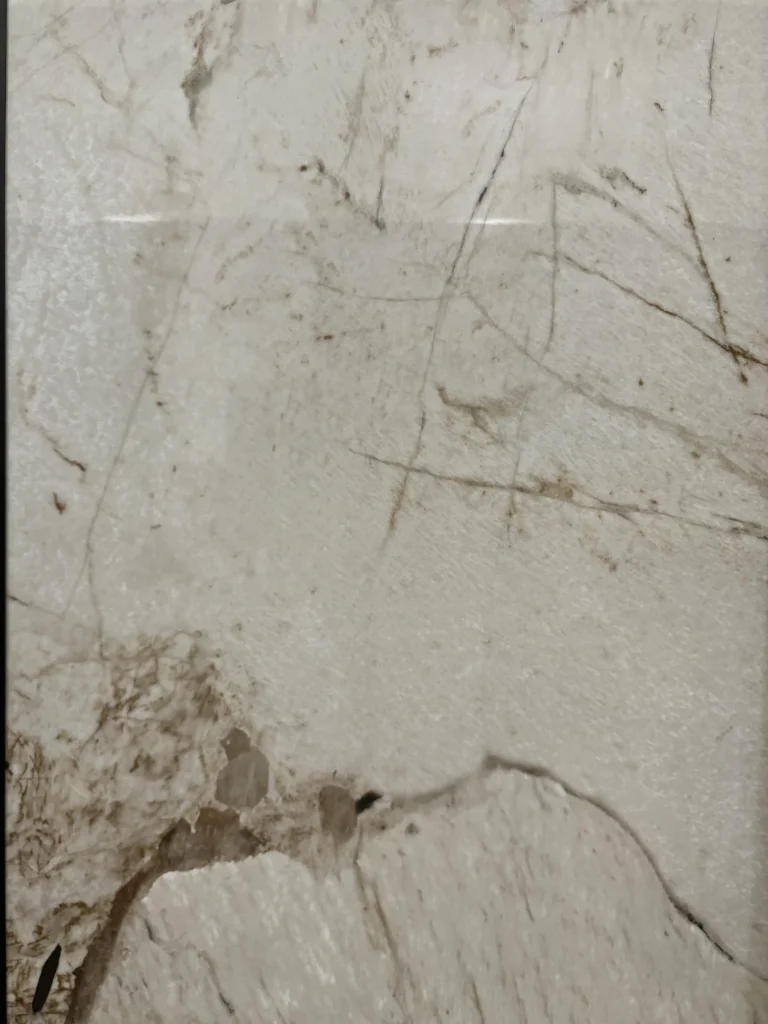
2. Stone and Marble Texture
Stone and marble textures are suitable for interiors that require a clean, refined, or contemporary appearance. Common designs include marble veining, natural stone patterns, and concrete-inspired finishes.
These textures are frequently used in hotel lobbies, reception areas, retail interiors, and commercial feature walls. Light marble patterns can create a bright and open visual effect, while darker stone designs can add contrast and visual depth.
When selecting stone-textured wall panels, consider the scale of the pattern and its repetition across large surfaces. Consistent pattern placement can help achieve a more coordinated appearance in large interior installations.
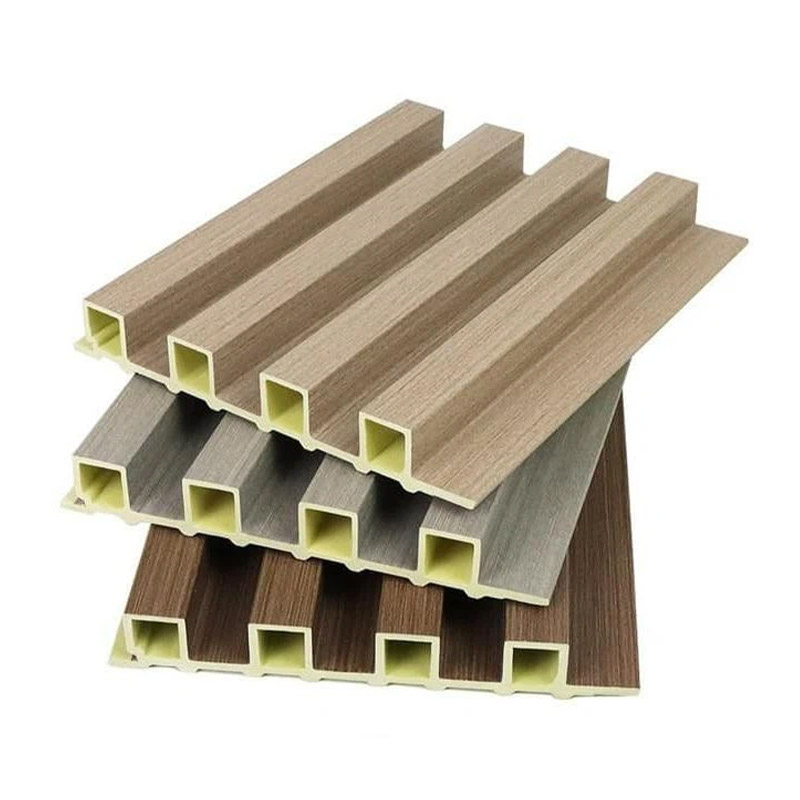
3. Fluted and Grooved Texture
Fluted wall panels feature repeated grooves or linear patterns across the surface. Their three-dimensional structure creates alternating highlights and shadows, adding depth without relying on complex colors or decorative patterns.
These panels are suitable for reception desks, hotel corridors, office interiors, retail displays, and feature walls. Vertical grooves can also emphasize the height of a wall, making them useful in spaces where visual proportions matter.
When choosing fluted panels, consider groove width, depth, spacing, and installation direction. These details influence the final appearance and should match the overall interior design.
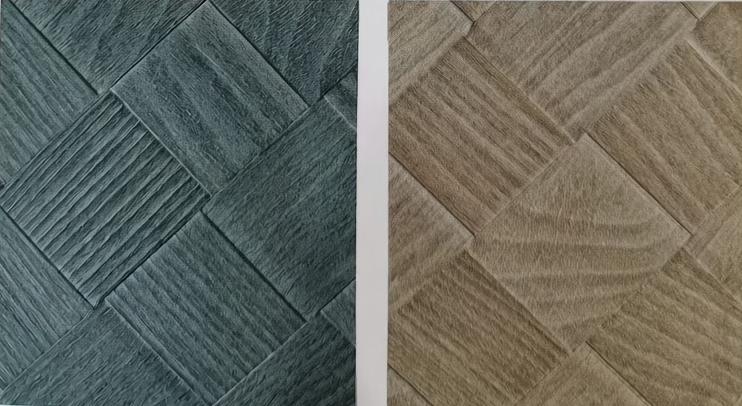
4. 3D and Embossed Texture
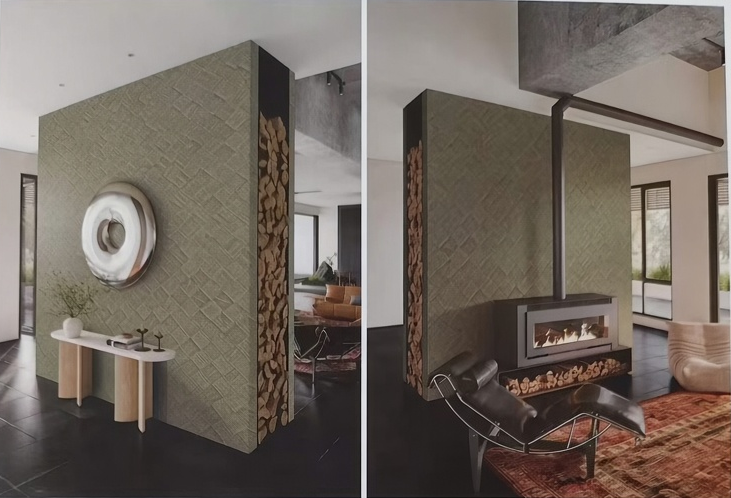
Three-dimensional and embossed wall panels feature raised patterns, geometric shapes, or other surface details. Unlike flat printed designs, these textures create physical depth that interacts with natural and artificial lighting.
They are often used for decorative feature walls, hospitality interiors, and commercial spaces where a distinctive visual effect is desired.
However, heavily textured surfaces may require more attention during cleaning and maintenance. Buyers should evaluate the intended application before selecting designs with deep grooves or pronounced relief.
5. Smooth and Matte Finishes
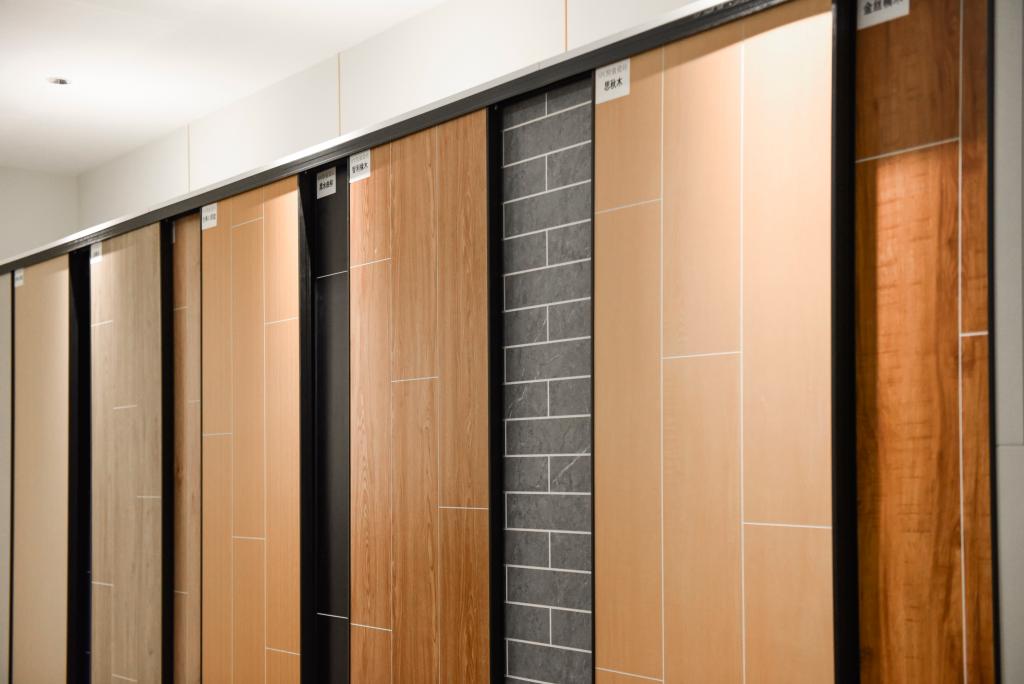
Smooth and matte wall panels offer a more understated appearance. They are suitable for minimalist interiors, modern offices, and commercial environments that require a consistent visual style.
Compared with pronounced textures, subtle finishes are generally easier to coordinate with other materials and decorative elements. They can also help balance spaces that already contain patterned flooring, furniture, or architectural details.
What Is the Difference Between Wall Panel Texture and Finish?
Although texture and finish are closely related, they describe different aspects of a wall panel’s surface.
Texture refers to the surface pattern or structure, such as wood grain, stone patterns, grooves, or embossed designs.
Finish describes the final surface appearance, including matte, glossy, smooth, or other decorative effects.
For example, a wall panel may feature a wood grain texture with a matte finish, or a stone pattern with a smooth surface. The combination of texture and finish determines how the panel looks under different lighting conditions and how it complements surrounding materials.
Depending on the product, decorative effects may be achieved through printing, surface films, embossing, molding, or other manufacturing processes.
How to Choose Wall Panel Textures for Different Spaces
Different environments have different design and maintenance requirements.
- Hotels and hospitality spaces: Wood grain and stone textures can help establish a welcoming or sophisticated atmosphere. Product selection should also consider cleaning requirements, durability, and the overall interior concept.
- Offices and reception areas: Wood grain, subtle matte finishes, and linear textures can create a professional appearance without overwhelming the space.
- Retail and commercial interiors: Fluted panels, stone patterns, and distinctive decorative surfaces can support brand presentation and create focal points.
- Residential interiors: Wood grain, smooth finishes, and simple geometric textures can complement different furniture styles and room layouts.
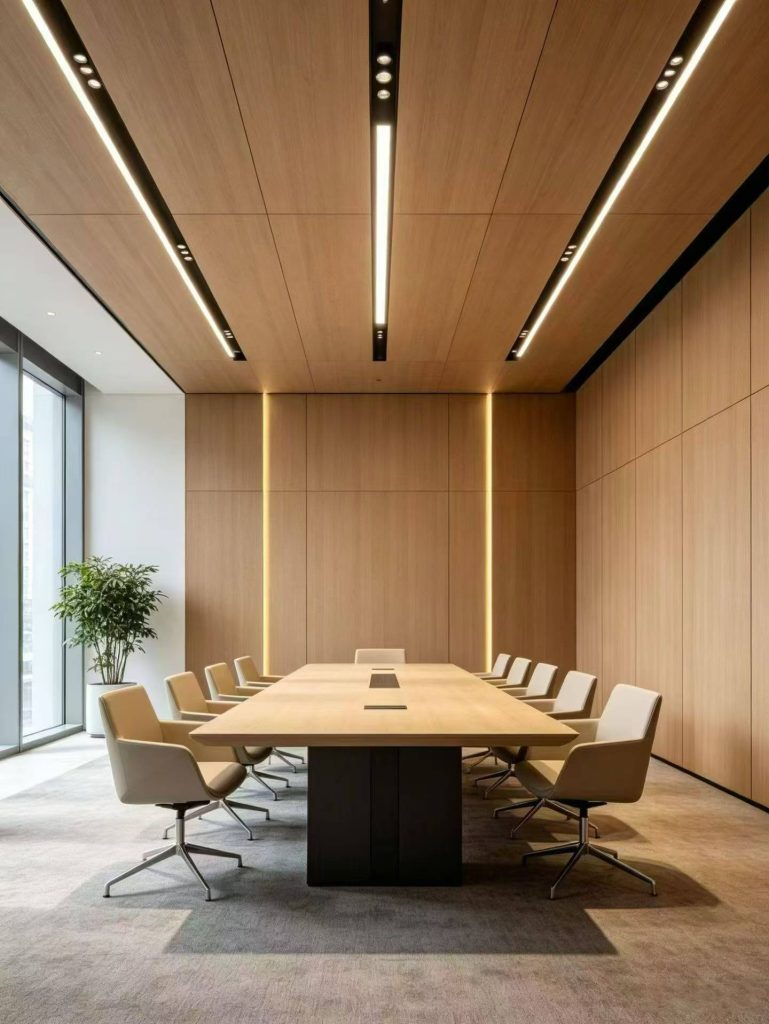
Lighting is another important consideration. Raised or grooved surfaces create more noticeable shadows, while smooth finishes generally produce a more uniform appearance. Before finalizing a design, review samples under lighting conditions similar to those of the intended installation.
How Does Wall Panel Material Affect Texture and Finish?
The material influences which textures are available, how the surface is produced, and which specifications buyers should consider.
WPC Wall Panels
WPC wall panels are available in various decorative designs, including wood grain, fluted patterns, and other surface effects, depending on the product range. They can be considered for residential interiors, hospitality projects, offices, and other decorative wall applications.
When sourcing WPC panels, buyers should compare surface appearance, panel dimensions, installation methods, and product specifications to ensure compatibility with project requirements.
SPC Wall Panels
SPC wall panels also offer decorative surface options, including selected wood-inspired and stone-inspired designs. Their suitability depends on the specific product construction, finish, and intended application.
When comparing WPC and SPC wall panels, consider the complete product specification rather than texture alone. Material structure, installation requirements, maintenance, and performance characteristics should all be evaluated before making a purchasing decision.
What Should Buyers Consider When Sourcing Wall Panels?
For wholesalers, distributors, contractors, and project buyers, selecting a suitable texture is only one part of the purchasing process.
First, request physical samples to check color, pattern details, and surface appearance. Digital images may not fully represent the actual finish.
Second, confirm consistency across bulk orders. For large installations, pattern repetition, color variation, and batch coordination can influence the finished result.
Third, evaluate maintenance requirements and installation compatibility. Deep grooves and embossed patterns may require different cleaning approaches from smooth surfaces.
Finally, discuss customization options with the manufacturer. Depending on available production capabilities, buyers may be able to select different colors, textures, dimensions, or surface finishes for specific projects. Sample approval, minimum order quantities, production lead times, and technical specifications should be confirmed before placing an order.
Custom Wall Panel Textures for Commercial Projects
The right wall panel texture can help establish the visual identity of a commercial interior while meeting practical project requirements. Wood grain, stone patterns, fluted designs, and smooth finishes each offer different possibilities for interior applications.
For distributors, contractors, and project developers, working directly with a manufacturer can simplify product selection and provide opportunities to discuss customization requirements.
As a WPC and SPC wall panel supplier, we offer decorative wall panel options for different interior applications. Contact our team to explore available textures and finishes, request product samples, and discuss OEM/ODM customization options for your project.